The Shift Toward Rigid Core Flooring in Bay Area Renovations
Selecting the right flooring for a multi-unit renovation in Oakland or a high-end flip in Santa Clara requires balancing material cost with long-term durability. For 38 years, Sincere Home Decor has worked alongside trade professionals to provide materials that stand up to the unique demands of the Bay Area climate. While traditional laminate once dominated the entry-level market, Luxury Vinyl Plank (LVP) and Stone Plastic Composite (SPC) have become the standard for contractors who need waterproof performance without sacrificing the aesthetic of natural wood.
Property managers and flippers often prioritize products that allow for a seamless transition between kitchens, bathrooms, and living areas. By using a single waterproof surface across the entire floor plan, you eliminate the need for transition strips that often trip up residents or trap dirt. Our waterproof flooring collections are specifically curated to offer this versatility, ensuring that every square foot of your project is protected from moisture and heavy foot traffic.

Quick Takeaway: Rigid core flooring provides a 100% waterproof solution that allows for seamless layouts across kitchens and bathrooms, reducing installation time and material waste.
Defining the Difference: LVP vs. SPC
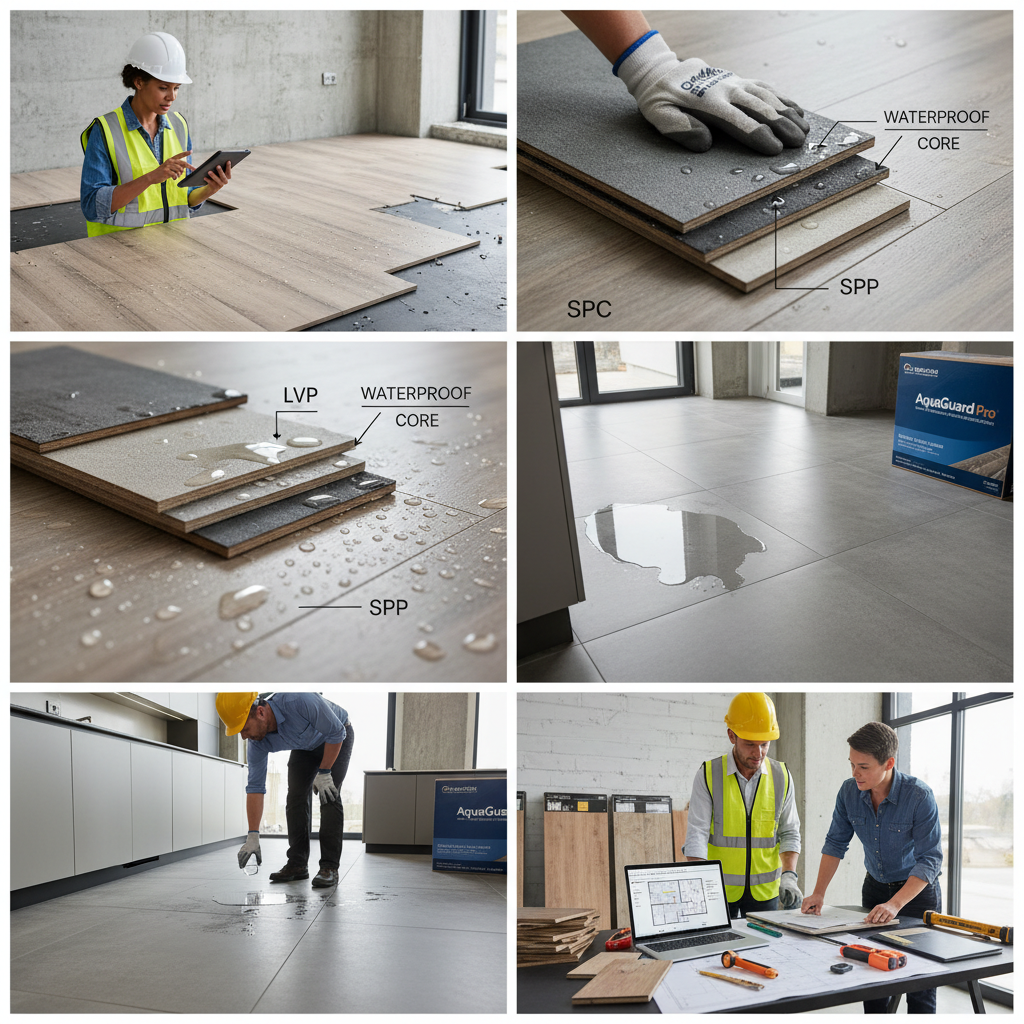
Understanding the internal construction of vinyl flooring is crucial when explaining value to your clients. Standard LVP typically features a PVC core that is flexible and softer underfoot. While comfortable, this flexibility can be a disadvantage if the subfloor has minor imperfections. Over time, flexible LVP may ‘telegraph’ the unevenness of the concrete or plywood underneath, leading to visible ridges or dips in the finished surface.
SPC, or Stone Plastic Composite, utilizes a rigid core made from a mixture of limestone and stabilizers. This creates a plank that is significantly denser and more stable than traditional vinyl. At our Oakland Pro warehouse near Jack London Square, we frequently recommend SPC for projects where the subfloor might not be perfectly level, as the rigid nature of the planks bridges small gaps and resists telegraphing.
The Performance Comparison
- Dent Resistance: SPC is significantly harder than LVP, making it the better choice for heavy furniture or high-traffic commercial spaces.
- Temperature Stability: In Bay Area locations with large glass windows, such as South San Francisco, SPC resists expansion and contraction better than standard LVP when exposed to direct sunlight.
- Walking Comfort: Standard LVP is slightly softer and warmer underfoot, while SPC often requires a high-quality integrated underlayment to achieve a similar feel.
- Installation: Both utilize click-lock systems, but the rigidity of SPC makes it easier to snap together over large spans.
Maximizing Durability with Wear Layer Specifications
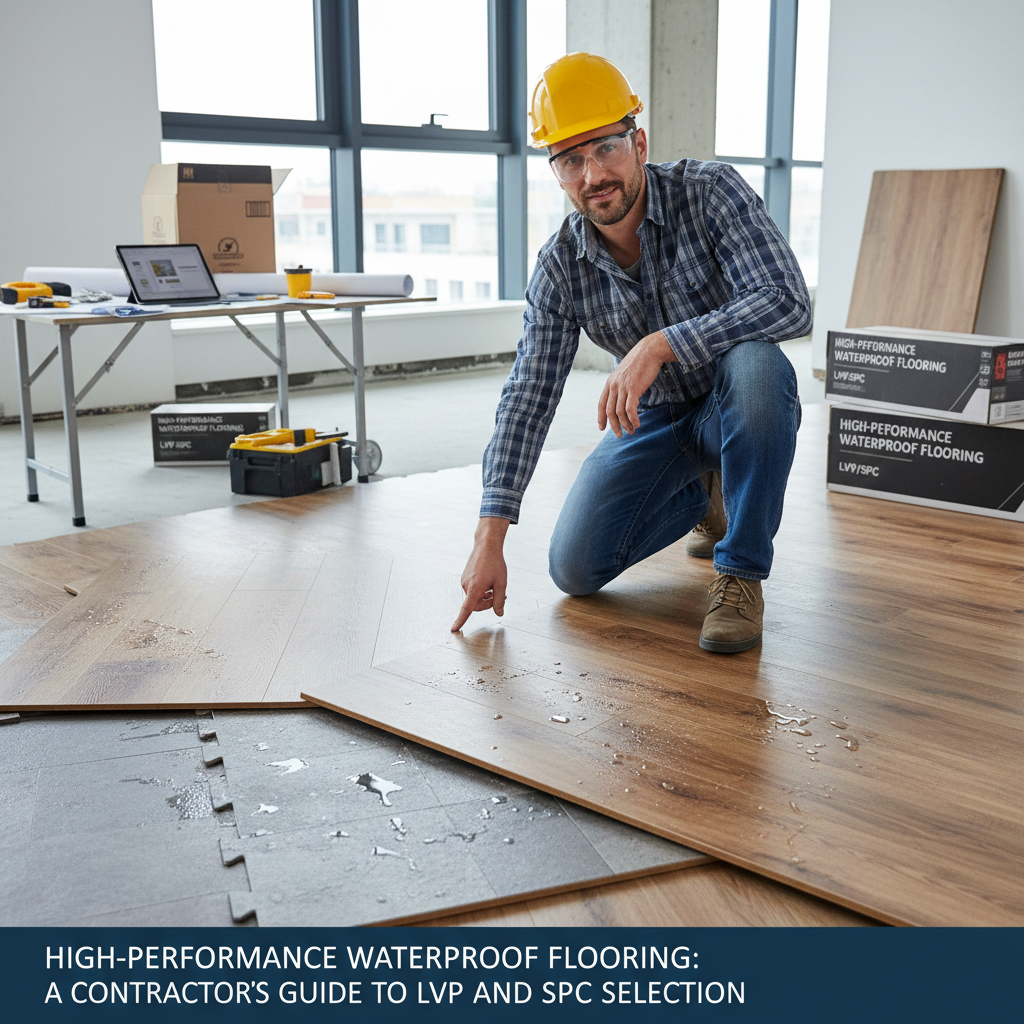
The longevity of a wood-look floor is not determined by the thickness of the plank, but by the thickness of the wear layer. This transparent top coating protects the high-resolution photographic layer from scratches, scuffs, and stains. For residential flips, a 12mil wear layer is often sufficient. However, for property managers overseeing rentals or commercial spaces, we recommend moving to a 20mil wear layer.
A 20mil wear layer provides the heavy-duty protection necessary for pets, move-in days, and frequent cleaning. Our staff, who are fluent in English, Spanish, and Mandarin, can help you compare different wear layer ratings across our in-stock collections to ensure your project meets the specific demands of the end-user. Investing in a thicker wear layer upfront often prevents the need for costly floor replacements between tenants.
Quick Takeaway: For rental properties and high-traffic areas, always specify a 20mil wear layer to ensure the floor maintains its visual appeal through multiple lease cycles.
Installation Efficiency for the Trade Professional
Time is the most expensive component of any renovation. One of the primary reasons contractors visit our Oakland — Pro warehouse with distribution center is to source flooring that simplifies the installation workflow. Most modern SPC products come with a pre-attached IXPE underlayment. This built-in padding provides sound dampening and thermal insulation, removing the extra step of rolling out a separate underlayment over the subfloor.
Furthermore, because SPC is a rigid material, it can often be installed directly over existing hard-surface flooring, such as old ceramic tile or well-bonded linoleum. This eliminates hours of demolition labor and debris disposal. When coordinating with kitchen cabinets installation, we recommend installing the flooring after the heavy cabinetry is in place to allow the floor to float freely, though SPC’s stability does allow for more flexibility than older laminate products.
Visual Trends: European Oak and Wide Planks
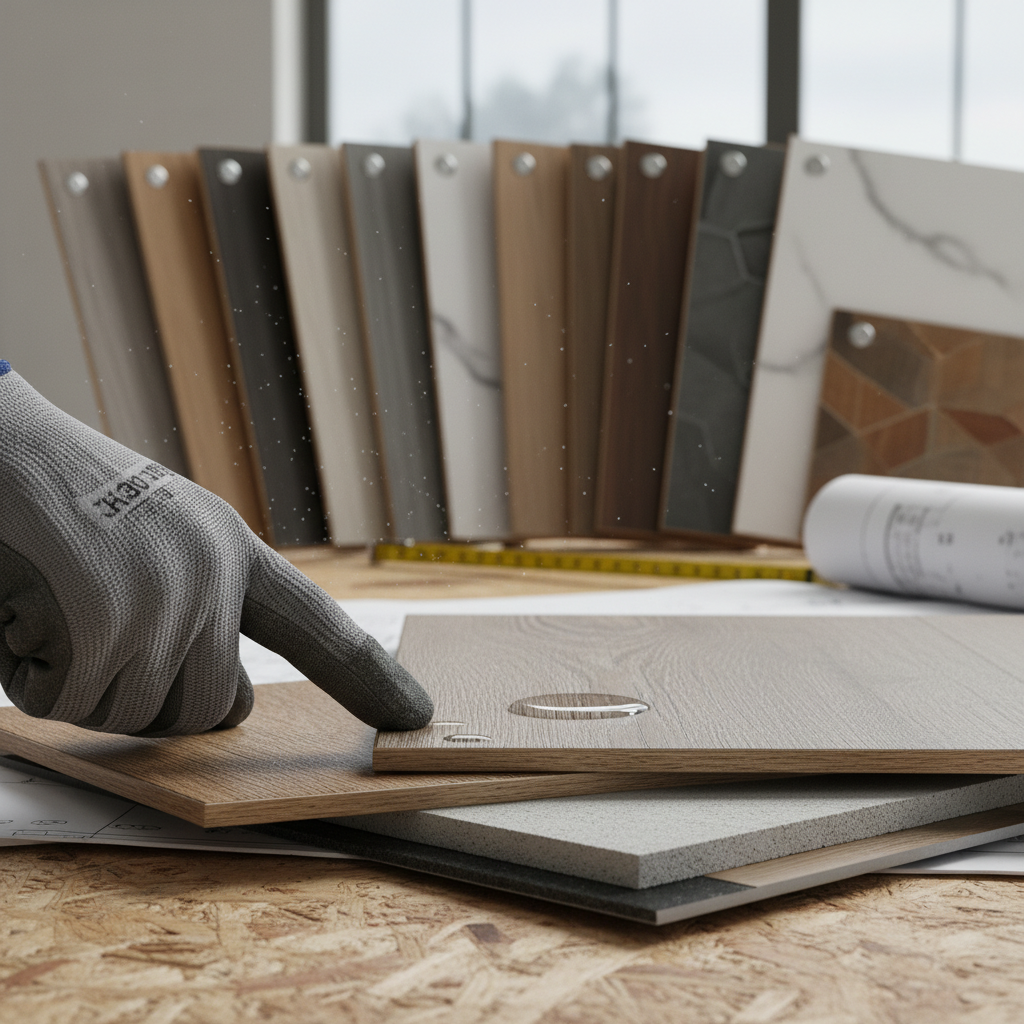
While performance is a priority for the contractor, the homeowner or buyer is focused on the aesthetic. Currently, the Bay Area market is leaning heavily toward ‘European Oak’ visuals. These planks typically feature lighter, neutral tones with minimal red or orange undertones. This palette makes smaller urban condos in Oakland feel larger and more airy.
Wide-plank formats, ranging from 7 to 9 inches, are also in high demand. These wider boards reduce the number of visible seams on the floor, creating a more high-end, custom-milled wood appearance. At our Santa Clara and South San Francisco showrooms, you can find various textures, from smooth contemporary finishes to wire-brushed rustic looks that hide small scratches more effectively.
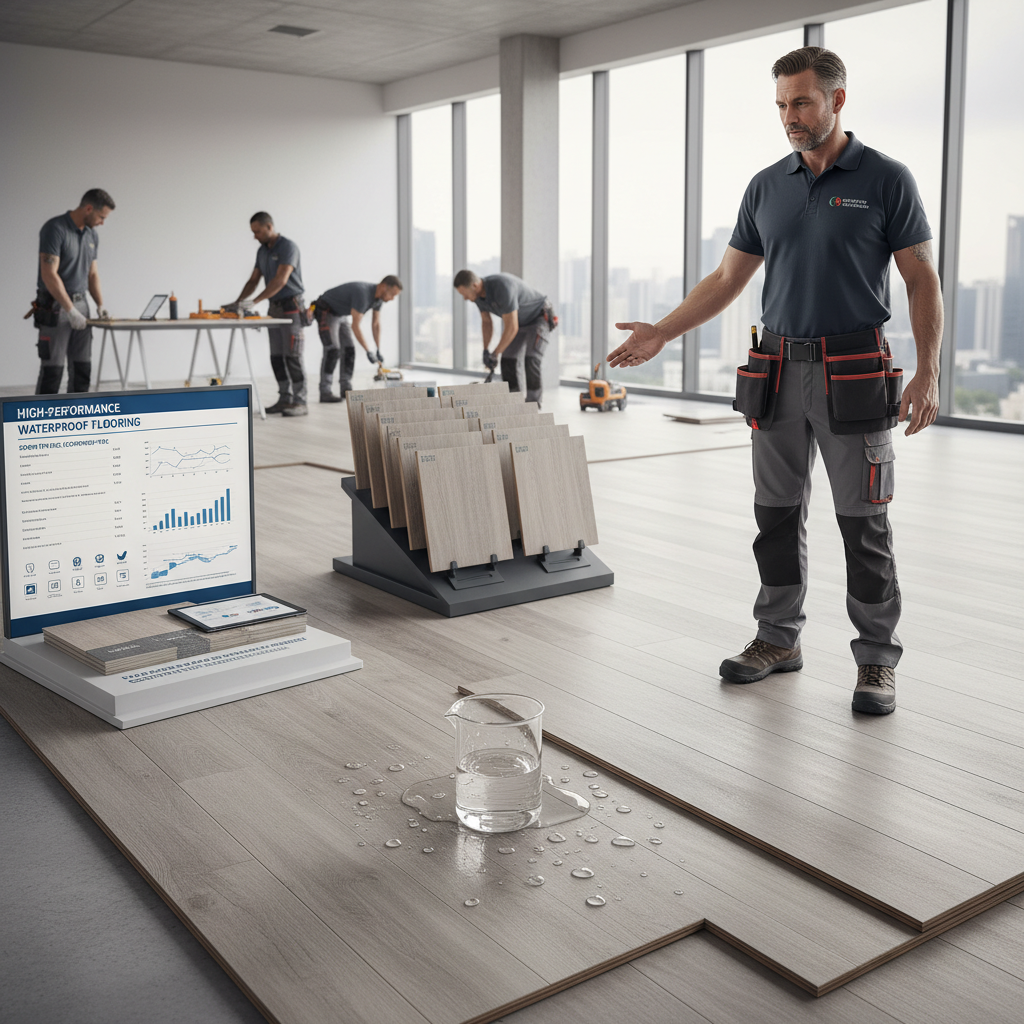
Quick Takeaway: Lighter, wide-plank European Oak styles are the current top sellers for Bay Area flips, providing a neutral canvas that appeals to a broad range of buyers.
Coordinating Flooring with Cabinets and Counters
A successful renovation requires a cohesive color story. When you visit our showrooms, we encourage trade professionals to bring their samples. Matching a cool-toned floor with a warm-toned cabinet can create visual friction that detracts from the quality of the work. For a modern look, consider pairing light oak SPC flooring with matte white or navy bathroom vanities and crisp quartz countertops.
Our design consultants can help you pull a full ‘palette’ from our in-stock inventory. Because we carry flooring, cabinetry, and tile under one roof, you can verify that the undertones of your materials complement each other under professional showroom lighting before the first plank is laid. This integrated shopping experience is one of the hallmarks of our 38-year history as a family-run business.
Maintenance and Longevity in Rental Environments
For property managers, the ‘life-cycle cost’ of flooring is a major factor. Unlike hardwood, which requires periodic sanding and refinishing, or carpet, which requires deep cleaning and frequent replacement, SPC flooring is virtually maintenance-free. It only requires a pH-neutral cleaner and a microfiber mop to maintain its appearance. This ease of maintenance is a selling point for tenants and a relief for owners who want to protect their investment.
In the event of extreme damage—such as a deep gouge from moving a refrigerator—rigid core planks can be replaced individually using a ‘plank replacement’ technique without tearing up the entire room. This repairability is a massive advantage for multi-family units where turnover speed is essential for maintaining occupancy rates.
Frequently Asked Questions
Does SPC flooring require a transition strip between rooms?
For most residential applications, SPC flooring can be installed in runs up to 60 or 100 feet without a transition strip, depending on the specific manufacturer’s guidelines. This allows for a seamless look from the hallway into bedrooms and kitchens.
Can I install LVP or SPC over radiant heating systems?
Many of our SPC products are compatible with in-floor radiant heating. However, it is essential to ensure the floor temperature does not exceed the manufacturer’s limit, typically around 85 degrees Fahrenheit, to prevent damage to the vinyl core.
Is a separate underlayment necessary if the plank has a pad attached?
If the plank includes a pre-attached IXPE or cork pad, you should not install a second layer of soft underlayment. Doing so can make the locking system too bouncy, which may lead to the joints breaking over time. A 6-mil poly vapor barrier is still recommended over concrete subfloors.
Partner with Sincere Home Decor for Your Next Project
Whether you are managing a single-family home in Santa Clara or a large multi-unit project in Oakland, Sincere Home Decor has the inventory and expertise to support your timeline. Visit our Oakland Pro warehouse near Jack London Square or our South San Francisco showroom to explore our latest in-stock flooring collections. Our team is ready to provide trade pricing and technical support to ensure your next renovation is a success.